
Psalm 71:19-21
19 Your righteousness, O God,
reaches the high heavens.
You who have done great things,
O God, who is like you?
20 You who have made me see many troubles and calamities
will revive me again;
from the depths of the earth
you will bring me up again.
21 You will increase my greatness
and comfort me again.
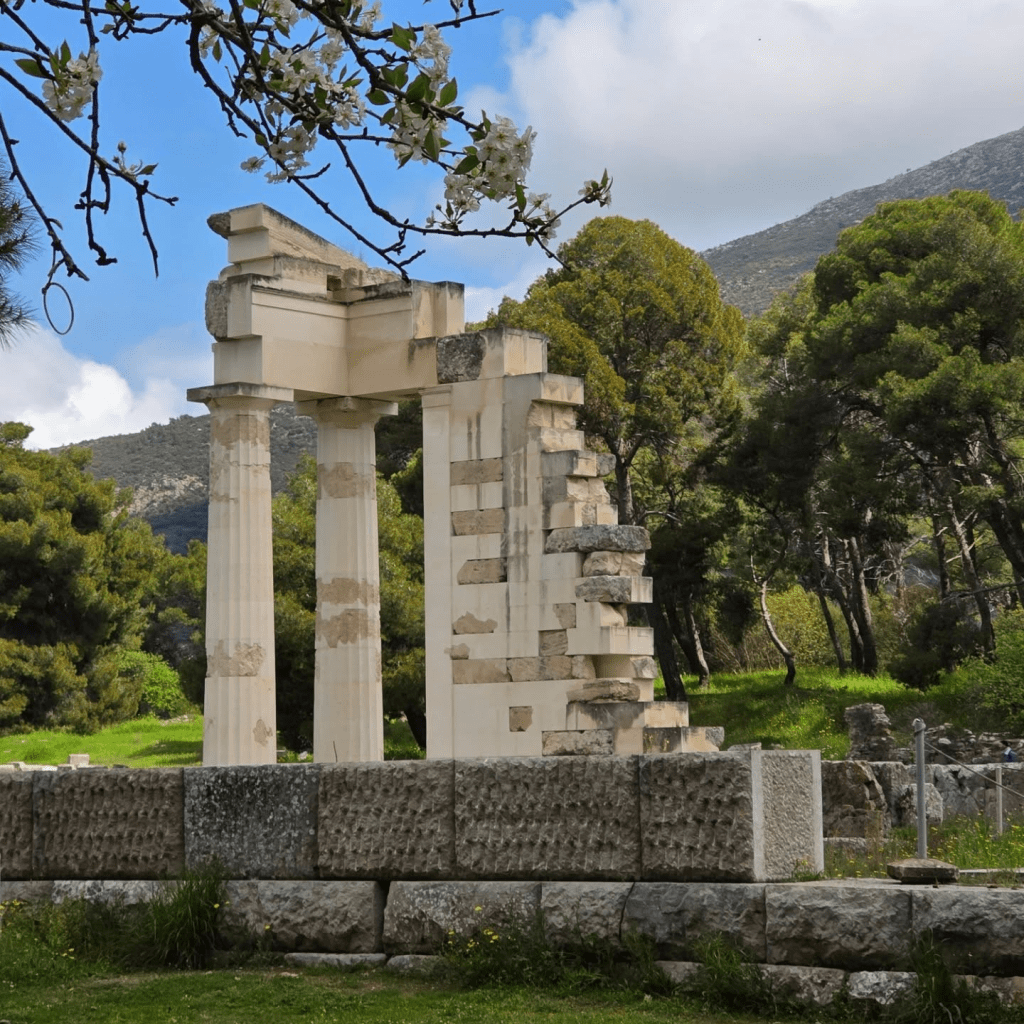
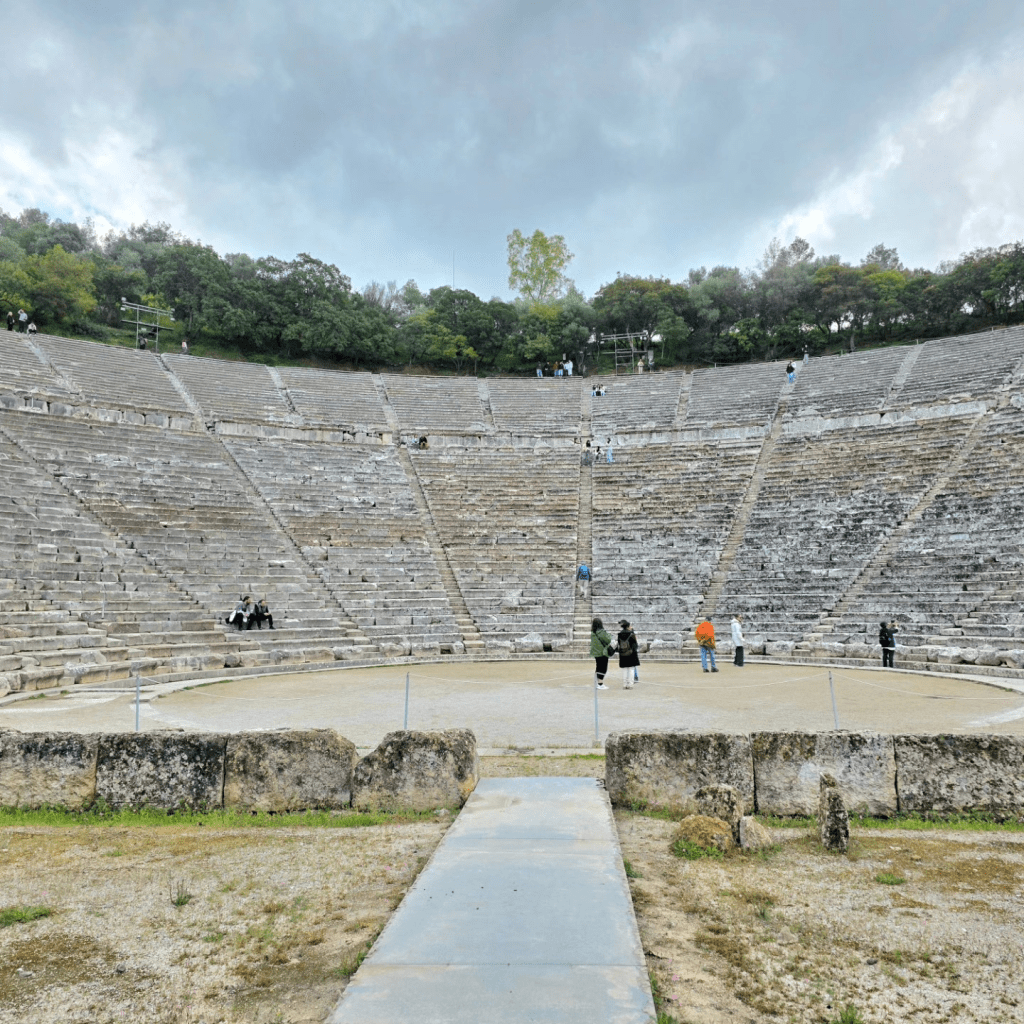
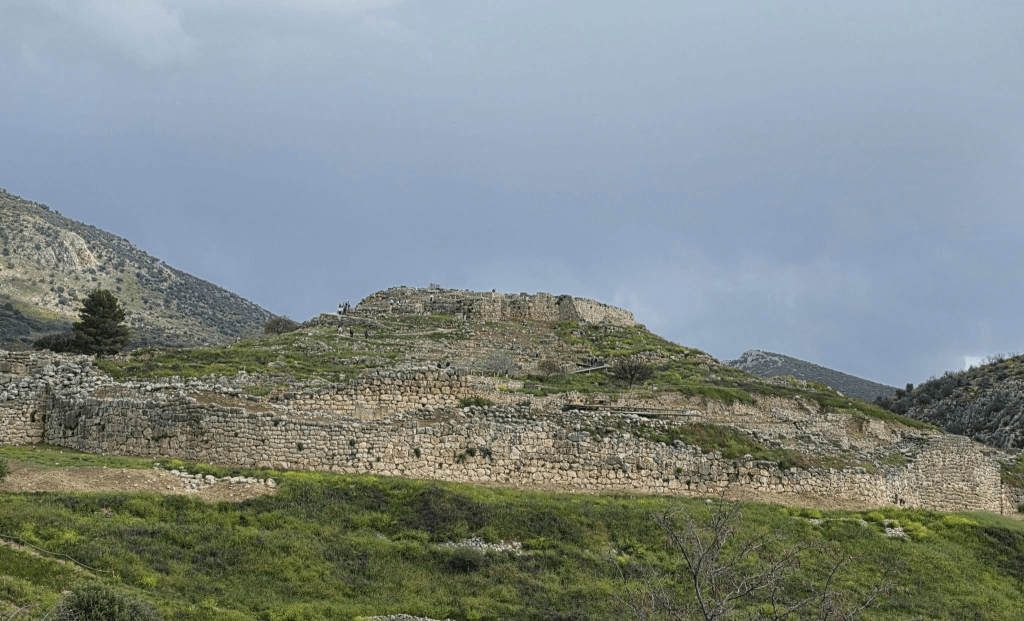
Greece is so old and steeped in history. A short vacation recently provided a meaningful excursion to the past, like flipping the pages of recorded European civilizations to some of the earliest chapters. Upon landing in Athens, we rented a car to explore the Peloponnese region, south and west of the capital. The Peloponnese is a large peninsula attached to the mainland via the Isthmus of Corinth. The city of Nafplio, the original capital of modern Greece, became our homebase, from which we drove daily to various parts of the Argolis region. Between the fortresses in Nafplio, the theater of Epidaurus, the Mycenaean archaeological sites and the cyclopean walls of Tyrins, we admired a lot of ruins and had an absolutely wonderful time. As we were touring these sites, we also tried our best to recall lessons in history and classic literature so that we can relate the places we’re visiting with events and characters, whether factual or fictional.
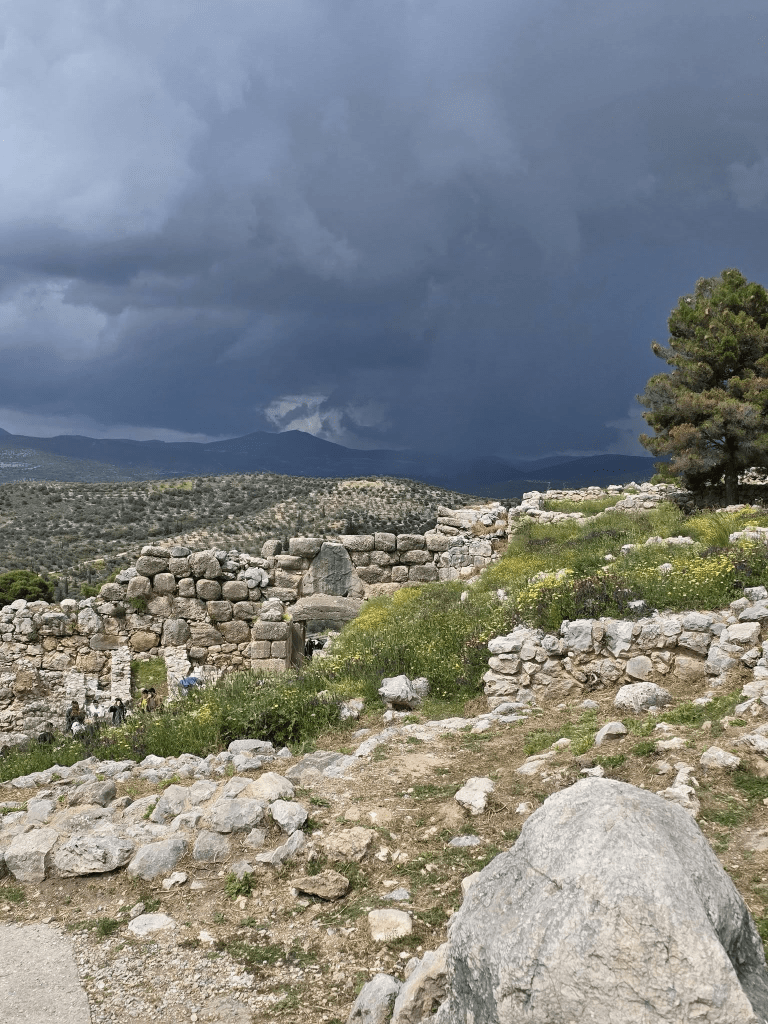
Aside from the fact that it is educationally enriching, immersing in a labyrinth of history is something that I always find to be good for the heart, as it encourages reflection. It could be said that dilapidated walls and collapsed arches are sobering reminders of the temporary nature of human achievements. After all, these are remnants of cities, even empires, that once stood grand and mighty but are now worth only an entrance fee of a few euros. But more importantly, and on a more personal level, these places remind me that we all have something that now lies in ruins. It may be a career that has ceased to be viable, a possession that has been taken away, a body that has lost its strength, a privilege that has been denied, a relationship that is now a distant memory, or a vow that has been broken. Don’t we all have pillars and foundations that have fallen apart, at some point in our lives?
1 Peter 5:10–11
And after you have suffered a little while, the God of all grace, who has called you to his eternal glory in Christ, will himself restore, confirm, strengthen, and establish you. To him be the dominion forever and ever. Amen. (ESV)
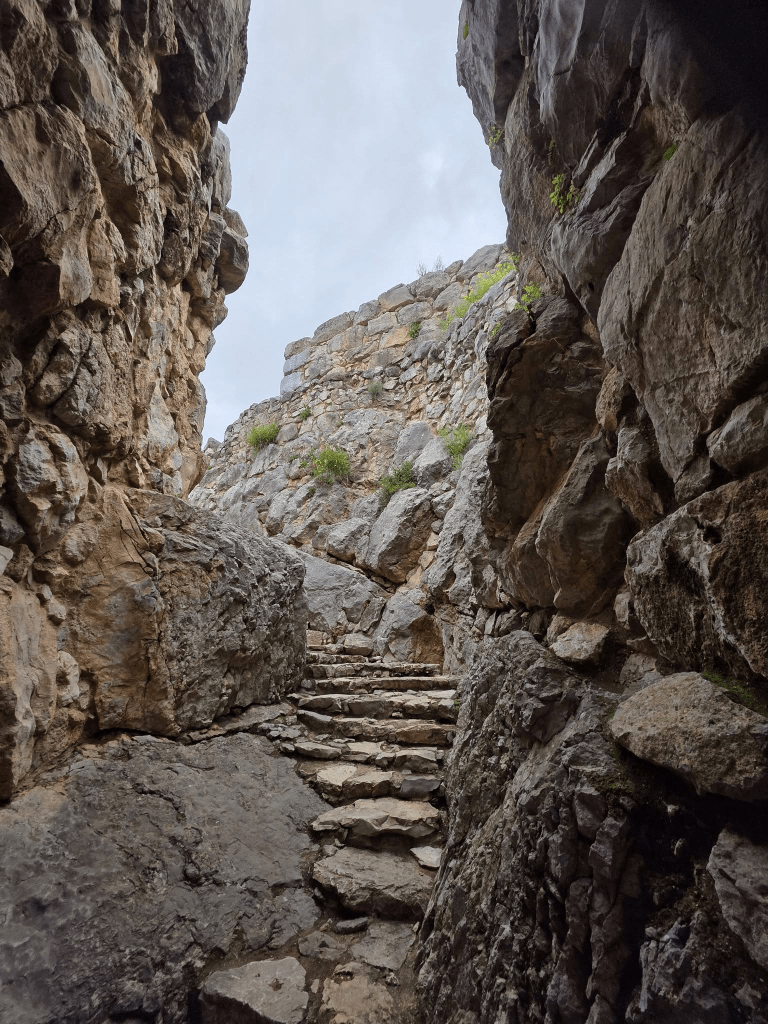
Hope is ignited when I think about what God does to the rubble left by our personal circumstances and choices. The composer of Psalm 71 proclaims that He is a God who revives. In the letter of the apostle Peter, he encourages suffering believers that God himself will restore, comfort, strengthen and establish them. Because God’s word is true, brokenness is but a prelude to His restorative work for all who seek and ask. As a loving, caring, and wise Father, God does not abandon us in our shattered state. He does break us to make way for greater grace, much like a surgeon who has to cut through normal, healthy tissue, to remove a cancer and bring healing. He does not leave His work unfinished (Phil 1:6).
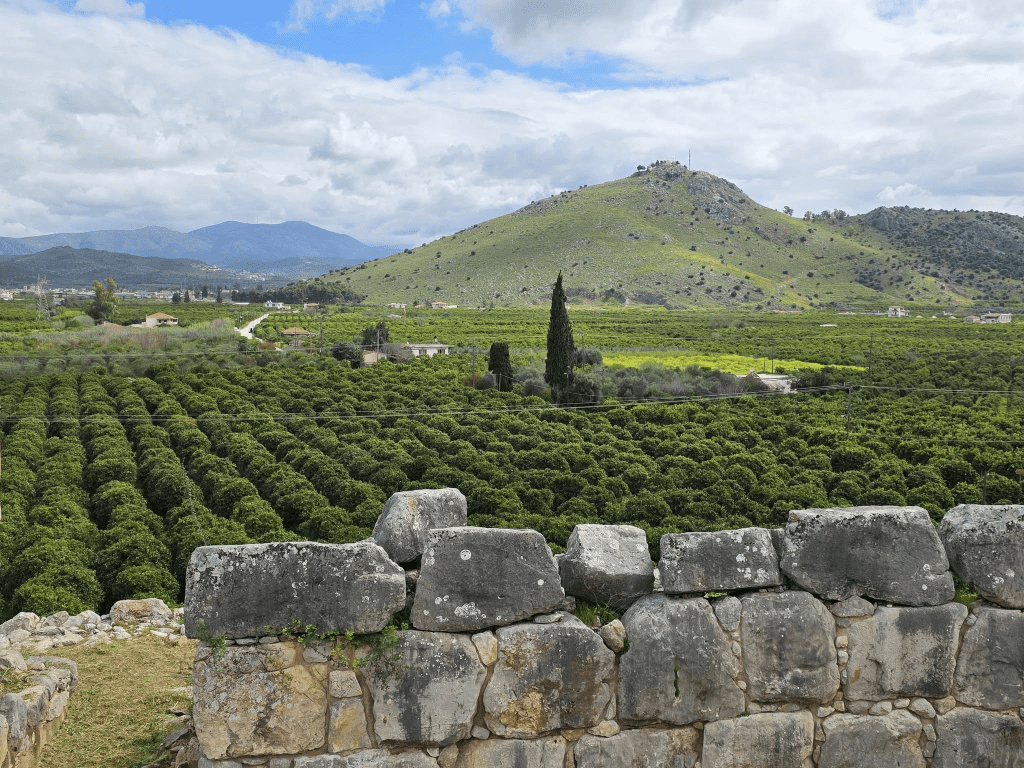
Going back to the ruins of ancient Greece, it was also very interesting to observe the efforts being devoted continuously to the preservation of artifacts. I appreciate knowing that resources (including our entrance fees) are being utilized to keep history alive for the next generations. It is a worthwhile endeavor to protect these precious archaeological finds and maintain them as close as possible to their original state, Initially, I thought this would be a great analogy for God’s restorative work in us. And while it does reflect His patience and perseverance to some degree, it definitely pales in comparison, because God’s purpose goes beyond preservation.

2 Corinthians 5:17–18
Therefore, if anyone is in Christ, he is a new creation. The old has passed away; behold, the new has come. All this is from God, who through Christ reconciled us to himself and gave us the ministry of reconciliation; (ESV)
When my Father looks at the ruins of my past or present realities, He sees something other than mistakes, regrets, and failures. Because of the redemptive work of Christ, He sees me as a new creation; His own child who can be transformed to bear His image in this fragile world. That is why he doesn’t just scrub off my surface mildew, or patch up my holes, or repaint/refinish me back to my “original state of splendor”. Ironically, don’t you think sometimes these are all we ask for when we pray? We want Him to take away all that is unpleasant, fix everything that’s broken and bring us back to the good old days. These prayers are honest, yet short-sighted. Praise God that He gives us more than we can ask or think of.
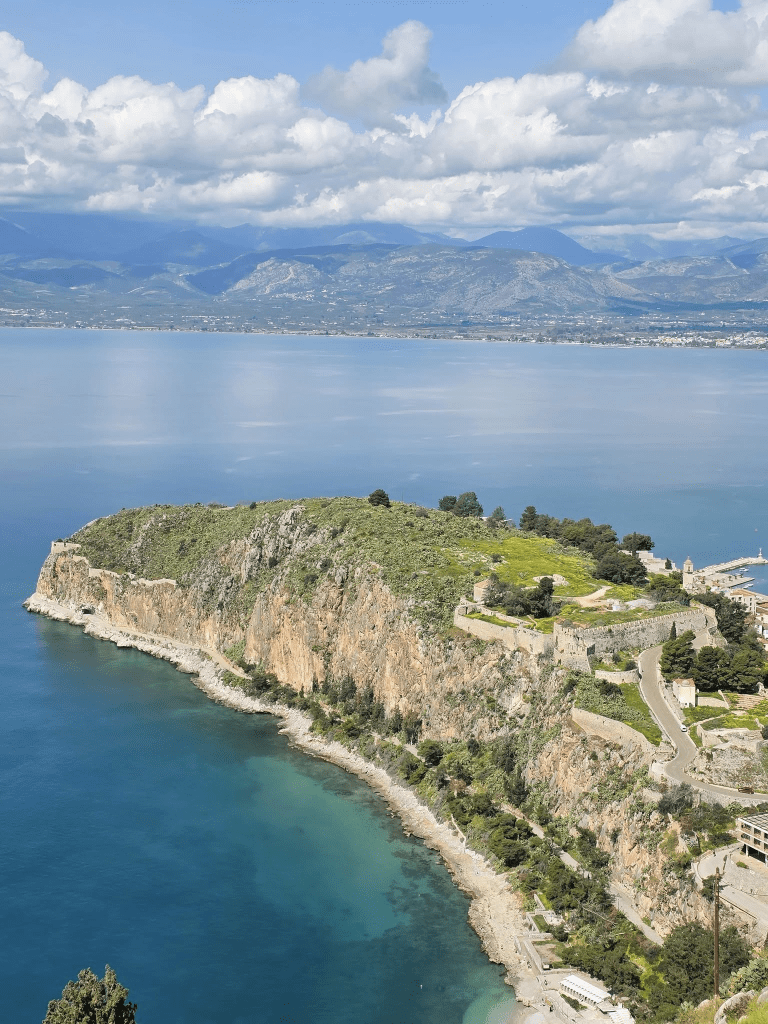
His mercy surpasses my incomplete and often inaccurate interpretation of what is true and what is good, and He responds by always drawing me to repentance (i.e. what I need the most in the first place). He sits with me in the rubble of questions about why things are the way they are for people that I love. And His presence reminds me how I need Him so much more than I need answers to my questions. Through the work of His Spirit, He renews my heart and proceeds with the process of changing me – a process that I can surely depend on because of His faithfulness, not mine. It doesn’t mean He pulls me out of all my physical and situational ruins; but He reassures me of His ever-abiding presence and breathes new life into my weariness, so that I can once again see through eyes of faith, that He is the God of the universe and the God of all ages. The God who walks among us in the ruins of our circumstances is also the God who makes all things new.
Ephesians 3:20-21
20 Now to him who is able to do far more abundantly than all that we ask or think, according to the power at work within us, 21 to him be glory in the church and in Christ Jesus throughout all generations, forever and ever. Amen.


 Lamp unto my feet